Benefits of
Sea Turtles
Unveiling the profound impact sea turtles have on human life and ocean health.
Guardians of the Ocean Balance
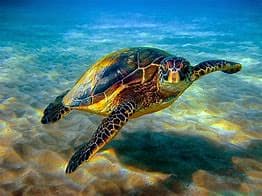
Sea turtles are not just ancient mariners; they are vital architects of the marine environment. Their presence is a direct indicator of ocean health, and their daily activities maintain the delicate balance required for a thriving ecosystem.
Ecological Impact
Jellyfish Control
Sea turtles, especially Leatherbacks, consume massive amounts of jellyfish. This natural predation keeps jellyfish populations in check, preventing them from dominating the ecosystem and depleting fish stocks vital for human consumption.
Beach Health
Nesting sea turtles deposit nutrients in beach dunes through their eggs. Unhatched eggs decompose and provide essential high-quality nutrients for dune vegetation, which in turn prevents beach erosion.
Ocean Health Indicators
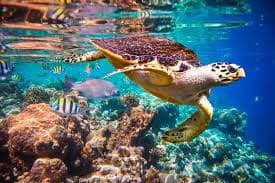
As species that travel vast distances and inhabit diverse marine environments, sea turtles are barometers of ocean health. Their well-being reflects the impact of pollution, climate change, and habitat destruction.
.jpg&w=3840&q=75)
Boosting Local Economies through Eco-Tourism
Sea turtles are a major draw for wildlife enthusiasts. Responsibly managed turtle watching generates significant revenue for coastal communities, creating jobs and providing an economic incentive to protect rather than exploit these creatures.
Comprehensive Ecosystem Health
Nutrient Cycling & Energy Flow
Sea turtles act as biological transporters of nutrients. By foraging in nutrient-rich areas and nesting on nutrient-poor beaches, they transfer energy between marine and terrestrial ecosystems. This process is crucial for the growth of coastal vegetation and the stability of shoreline dunes.
Scientific Insight & Monitoring
Studying sea turtles provides critical data on the state of the oceans. Because they are sensitive to environmental changes, shifts in their population or health can alert scientists to broader issues like rising sea temperatures, pollution levels, and the health of seagrass beds and coral reefs.
Community & Cultural Significance
Beyond biology, sea turtles hold immense cultural value for many coastal societies. Protecting them preserves cultural heritage while fostering community pride. Engagement in conservation efforts strengthens social bonds and promotes a culture of environmental stewardship.