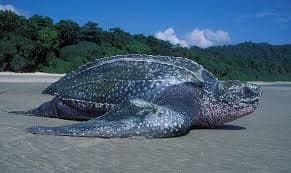
Protect Sea Turtles
Protecting sea turtles is paramount for the preservation of our marine ecosystems. A crucial step is the preservation of nesting habitats—safeguarding the beaches where life begins.
We must limit habitat destruction and regulate coastal development. Monitoring nesting sites, gathering data, and protecting nests from predation and human interference are essential strategies for their survival.
Habitat Guarding
Safeguarding beaches ensures safe nesting for future generations.
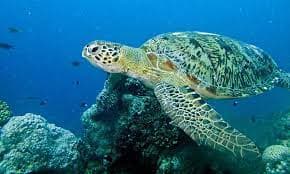
Addressing Major Threats
Light Pollution
Artificial lighting disorients hatchlings. We advocate for 'Turtle-Friendly' lighting to guide them safely to the sea.
Marine Debris
Combating plastic pollution through recycling and beach clean-ups prevents fatal ingestion and entanglement.
Education
Engaging communities and tourists promotes responsible behavior, like respecting nesting sites and reporting injuries.
Global Cooperation
Collaborating across borders ensures protection throughout their vast migratory ranges.
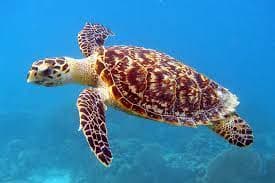
Hawksbill Turtles: Critical for Coral Reef Health
Through a combination of habitat preservation, monitoring, regulation enforcement, public education, and international cooperation, we can make a significant difference in safeguarding sea turtles and securing their long-term survival.
Guardians of the Sea
Ancient wisdom. Fragile beauty. Interconnected life.
Sea turtles play a vital role in maintaining the health and balance of our oceans. They are key indicators of the well-being of marine habitats, their presence reflecting the richness and vitality of the underwater world.
From nesting on remote beaches to embarking on epic migrations, they connect diverse marine environments, spreading nutrients and fostering biodiversity.
Ecological Architects
As they forage on seagrass beds, they maintain vital habitats. As seed dispersers, they regenerate coastal vegetation, stabilizing shorelines against erosion.
Our Responsibility
Habitat loss, pollution, and climate change jeopardize their existence. We must stand up for these magnificent creatures and defend them against these perils.
"Let us unite as guardians of the sea, ensuring future generations witness the majesty of sea turtles in a thriving ocean."