Lets do for our earth
Lets be a volunteer
& join together among world
It is protecting fishes from jelly fish connected with food chain. Join us in our mission to preserve marine life.
Read MoreRequest for donations
Lets donate to healthy habitat of marine creaturesEndangered Species
6 most endangered sea turtle species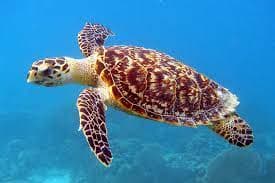
Hawksbill Turtle
(Eretmochelys imbricata)
The hawksbill turtle is critically endangered according to the IUCN Red List. It is threatened by habitat loss, poaching for its beautiful shell, and accidental capture in fishing gear.
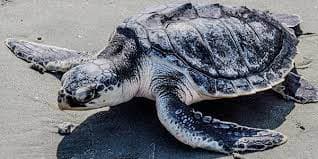
Kemp's Ridley Turtle
(Lepidochelys kempii)
The Kemp's ridley turtle is the most endangered sea turtle species. It is critically endangered and primarily found in the Gulf of Mexico. The major threats include habitat degradation and pollution.
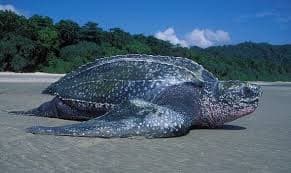
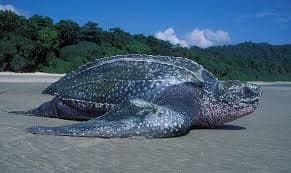
Leatherback Turtle
(Dermochelys coriacea)
The leatherback turtle is the largest species of sea turtle and is vulnerable. Threats include egg collection, fisheries bycatch, pollution, and habitat alteration.
How do Sea Turtle Hatch?
NESTING
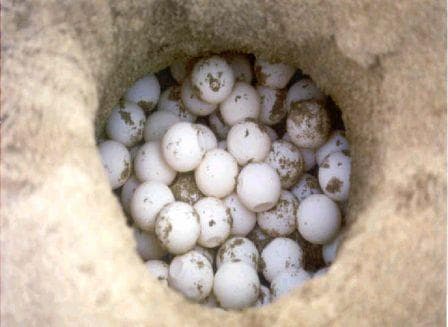
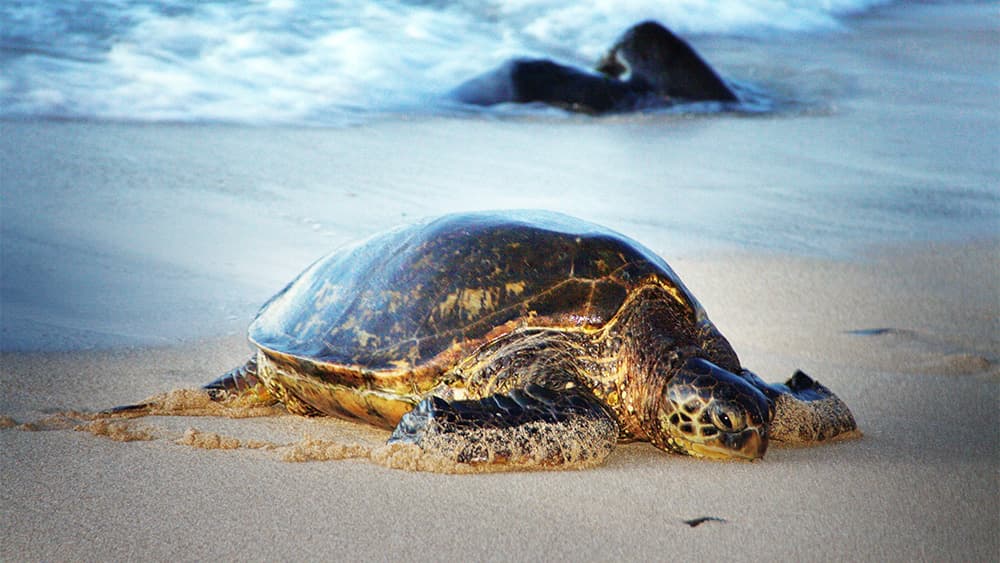
Female sea turtles come ashore, typically at night, to lay their eggs in sandy beaches. They dig a hole with their flippers and deposit a clutch of eggs into the nest. Each clutch can contain around 100 to 200 eggs.
INCUBATION
The eggs are left buried in the warm sand, providing a controlled environment. The temperature plays a crucial role in determining the sex of the hatchlings: cooler for males, warmer for females.
DEVELOPMENT
The embryos develop inside the eggs for several weeks or months depending on the species.
HATCHING
Hatchlings use a "caruncle" to crack the shell. Once they break through, they remain in the nest briefly to absorb their yolk sac.
EMERGENCE
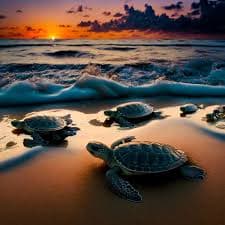
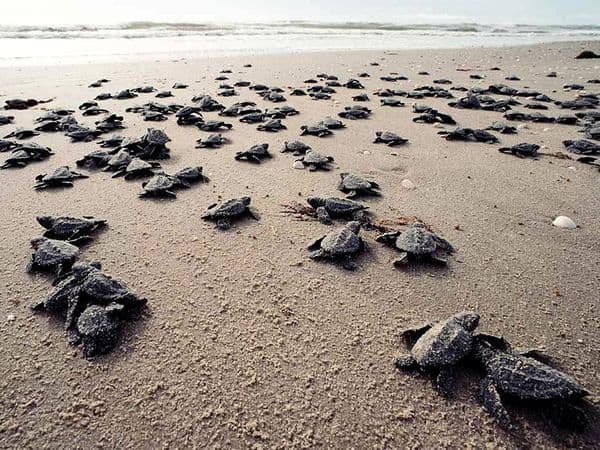
When ready, hatchlings dig to the surface, naturally attracted to the brighter horizon over the ocean to find their way.
SCRAMBLE TO THE SEA
The "scramble" is a perilous journey to the ocean, relying on natural cues and moving quickly to avoid predation.
OCEAN ENTRY
Reaching the water, they use their flippers to swim away from the shore, embarking on their journey in the open ocean.
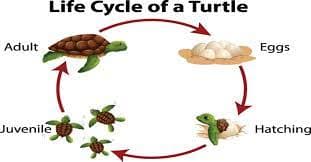
Life Cycle Of Sea Turtle
EMBRYONIC STAGE
The life cycle begins when a female lays eggs. The nest temperature determines hatchling sex.
HATCHLING STAGE
After incubation, hatchlings emerge and make their way to the ocean, avoiding predators.
EARLY PELAGIC STAGE
Hatchlings drift with currents in the open ocean, feeding on plankton for several years.
JUVENILE & SUBADULT STAGES
They move to coastal areas, feeding on varied prey and migrating long distances as they grow.
ADULT & REPRODUCTION
Adults return to natal beaches to reproduce. Females lay multiple clutches every 2-3 years.
Threats to Sea Turtles
Control threats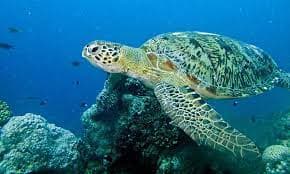
Climate Change
Rising temperatures, ocean acidification, and changing weather patterns affect sea turtles. It can lead to the loss of nesting beaches, skewed sex ratios, and food source disruption.
Habitat Loss & Degradation
The destruction of nesting beaches, coral reefs, and feeding areas due to coastal development, pollution, and erosion poses a significant threat.
Interesting Facts About Sea Turtles
Enigmatic creatures, embodying the mysteries of the seaSize And LifeSpan
Sea turtles vary in size. The leatherback can reach 7 feet and 2,000 pounds, while the Kemp's ridley is about 2 feet and 100 pounds. Some live for several decades or over a century.
Sense of Magnetism
Sea turtles have magnetite crystals in their brains acting as a biological compass, allowing them to sense Earth's magnetic fields to navigate across vast oceans.
Reducing Competition
By preying on jellyfish, sea turtles help fish populations. Jellyfish compete with fish for food; keeping jellyfish numbers in check reduces this competition.